Mastering Roll Up Banner Design: A Practical Guide
When you walk into a trade show, a conference, or even a busy retail space, what’s the first thing that grabs your attention? Often, it’s a tall, sleek display standing proudly at an aisle or entrance. That’s the power of a well-executed Roll Up Banner Design. It’s more than just a piece of printed fabric or PVC; it’s a portable billboard for your brand, a silent salesperson that works the room while you focus on conversations. The challenge, of course, is creating one that actually stops people in their tracks. A cluttered, poorly designed banner can be worse than having none at all. This is where a thoughtful, professional approach to layout and typography becomes your greatest asset.
Anatomy of an Effective Retractable Banner
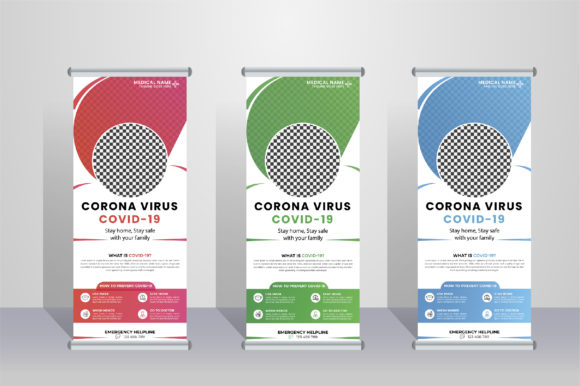
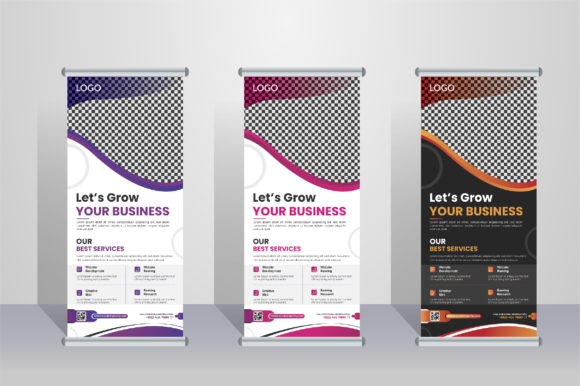
A successful Roll Up Banner Design isn't about cramming every detail of your business onto a 30×70 inch canvas. It’s about strategic communication. Think of it as a visual hierarchy that guides the viewer’s eye from the most important element down to the supporting details. Your logo and headline should dominate the top third of the banner, visible even from a distance. The middle section is prime real estate for your core message or key services, often supported by clean icons or imagery. The bottom third, closer to eye level, is perfect for contact information, a call to action, or a QR code. The overall personality should reflect your brand—whether that’s bold and modern, elegant and sophisticated, or friendly and approachable. The style should be clean and uncluttered, using ample white space to let your message breathe. This isn't the place for intricate script fonts or dense paragraphs; clarity is king.
Where This Layout Shines: Real-World Applications
The versatility of a thoughtfully crafted banner template is its biggest strength. This particular layout, designed in Adobe Illustrator for full editability, is built for adaptability. For entrepreneurs and small business owners, it’s a cornerstone for trade show displays, in-store promotions, or community event signage. Marketers can use it to reinforce brand messaging at product launches or seminars. Graphic designers and content creators will appreciate the layered, editable file as a starting point for client projects, saving valuable production time. Bloggers and publishers can leverage it for book signings or author meet-and-greets. Even crafters and hobbyists can find use for it at local fairs to showcase their work. The key is that the design serves as a professional foundation, not a rigid constraint.
Practical Guidance for Customization and Brand Fit
Choosing to use a pre-designed template like this is a smart move, but the real magic happens in the customization. Here’s how to ensure the final product is unmistakably yours.
- Evaluate the Core Layout: Before changing colors, look at the structure. Does the visual flow align with how you want to tell your brand story? The provided layout is a starting point; ensure the hierarchy of information matches your primary goals.
- Master Font Pairing: The template uses Google Fonts, a fantastic resource for commercial use. Don’t just stick with the defaults. Experiment with pairing a strong sans serif font for your headline with a highly readable serif or sans serif for body text. This creates a clear visual hierarchy and enhances readability. Avoid using more than two typefaces to maintain a cohesive brand identity.
- Leverage Color Variations: The included three color schemes are more than just options—they’re mood starters. Choose the one that best resonates with your brand’s personality, then refine it. Use your established brand colors to ensure consistency across all your marketing materials, from this banner to your social media graphics.
- Test for Readability and Impact: Always view your design at a reduced size on your screen. Can you still grasp the main message? Ask someone unfamiliar with your business to look at it for five seconds and tell you what it’s about. Their feedback is invaluable for testing audience engagement and clarity.
Beyond the Banner: Building a Cohesive Brand Presence
Think of your Roll Up Banner Design as a single, powerful component of your broader brand identity system. The same principles of clean typography, strategic color use, and clear messaging should echo across your website, business cards, and packaging. A professional, consistent look builds recognition and trust. When your trade show banner feels like a natural extension of your website, you create a seamless experience for your audience. This consistency signals professionalism and attention to detail—qualities that resonate deeply with potential clients and partners. Ultimately, a great banner doesn’t just display information; it makes an impression that lasts long after the event is over. It’s a tangible piece of your brand’s story, standing tall and ready to engage.