SkinErr: A Designer's Look at This Skincare Mobile App UI Kit
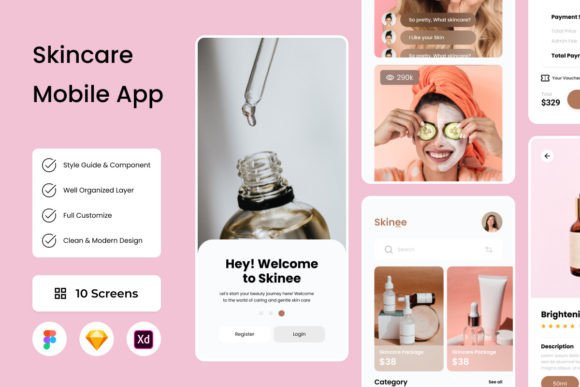
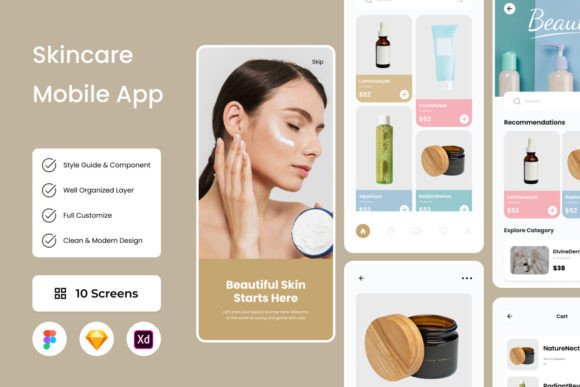
As someone who spends their days moving pixels and refining layouts, I'm constantly evaluating design assets. It's not just about how something looks, but how it works, how it feels, and what it enables a creator to do. When I first opened the SkinErr - Skincare Mobile App file, my first thought wasn't about the skincare theme, but the underlying design system. This isn't just a collection of screens; it's a thoughtfully constructed environment for building a beautiful, functional, and emotionally resonant digital product. It feels less like a static template and more like a conversation starter for your brand.
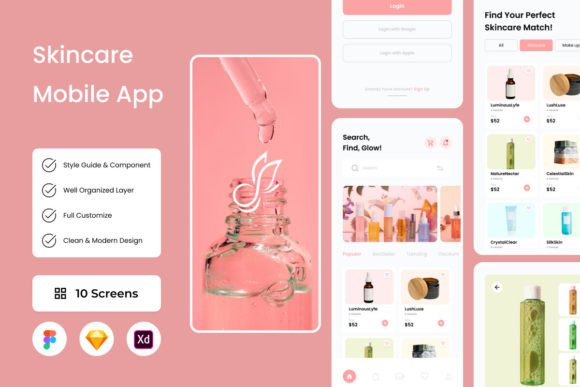
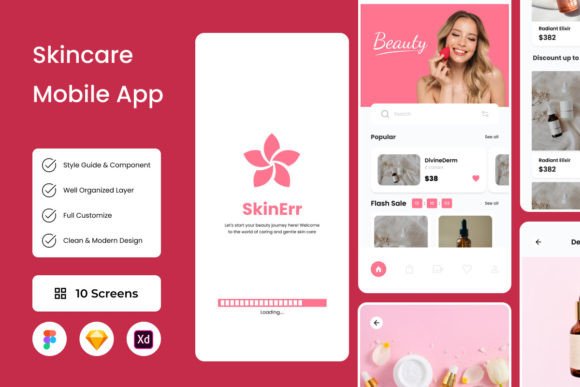
The overall personality of SkinErr is one of calm, clean, and confident minimalism. The design leans heavily on soft, neutral color palettes, often accented with a single, gentle highlight color that draws the eye without shouting. There's a generous use of whitespace, which is a practical choice that lets the content breathe and guides the user's focus. The visual hierarchy is immediately apparent, using a clear contrast between bold headings and lighter body text to make navigation intuitive. It’s a style that communicates trust and professionalism, which is exactly what you want from an app in the wellness and beauty space. The layouts feel balanced and harmonious, avoiding the clutter that can make users feel anxious rather than cared for.
Where This Design Framework Truly Shines
The real-world value of a design asset like SkinErr is its versatility. While it’s built for a skincare app, its underlying structure is a fantastic starting point for a much wider range of projects. The clean aesthetic and focus on user experience make it a powerful tool for various professionals.
- For Entrepreneurs and Startups: If you're launching a direct-to-consumer beauty, wellness, or health brand, this UI kit gives you a massive head start. You can present a high-fidelity, interactive prototype to investors or early users without needing to build everything from scratch. It immediately elevates your pitch and demonstrates a commitment to quality from day one.
- For Marketers and Content Creators: The layouts are perfect for creating polished social media graphics, digital lookbooks, or even email newsletter templates that feel cohesive and professional. You can adapt the card-based layouts for showcasing products, testimonials, or step-by-step guides on platforms like Instagram or Pinterest.
- For UI/UX Designers: This is more than a shortcut; it's a masterclass in component-based design. The file is a well-organized library of buttons, icons, input fields, and cards that you can deconstruct and learn from. It’s a practical example of how to build a consistent and scalable design system, making it an excellent asset for your toolkit.
I could easily see the core layout principles being adapted for a boutique fitness studio's booking app, a mental wellness journal, or even a high-end recipe platform. The key is the focus on clarity and user-centric flow, which translates beautifully across many different digital products.
Making It Work for Your Brand Identity
A template is only as good as your ability to make it your own. This is where SkinErr excels. The files are built with modern typography and design principles in mind, using global text and color styles. This is a non-negotiable feature for any serious design asset, and its inclusion here makes customization seamless. In Figma, for instance, you can change the primary brand color or the headline font across dozens of screens in just a few clicks. This level of efficiency is what separates a good template from a great one.
Think about how this affects your brand identity. You can instantly swap the default sans-serif font for a more expressive serif font to give the app a more luxurious, editorial feel. Or, you could introduce a script font for special callouts to add a touch of personal, handwritten charm. The clean canvas provided by the SkinErr layout allows your chosen typeface to truly define the brand's voice. This is how you move from using a template to creating a unique brand experience. The design supports your vision, rather than forcing you into a rigid box.
A Practical Guide to Implementation
So, you’ve decided to use SkinErr for your project. Here’s some practical advice from one designer to another to ensure you get the most out of it.
- Evaluate the Fit: Before you dive in, look at the core user flows. Does the structure of the app—its navigation, its way of presenting information—align with your project's goals? Don't just look at the pretty pictures; analyze the user journey mapped out in the screens.
- Test Your Font Pairings Early: The design uses a clean, modern sans-serif. Before you get too deep into customization, spend an hour experimenting with your own font pairing. Try a bold, condensed display font for headings with a highly readable sans-serif for body text. See how your choices feel within the established layout.
- Leverage the Organized Layers: The file includes .fig, .xd, .sketch, and .psd formats with well-organized layers. Don't ignore this. Take the time to understand the naming conventions and groupings. This will save you countless hours when you need to find a specific component or make a global change.
- Understand the Assets: Remember that the images used in the preview are for demonstration only. This is a good thing. It forces you to source your own photography and branding materials, which is the most critical step in making the design truly yours. Use this as an opportunity to define your visual content strategy from the outset.
Ultimately, the SkinErr - Skincare Mobile App UI kit is a robust and thoughtfully designed framework. It provides the high-quality screen layout design needed to create a polished digital product, while the easy-to-adjust layers and global styles give you the freedom to build a truly unique brand. It’s a practical tool that bridges the gap between a raw idea and a professional, market-ready application, allowing you to focus on what truly matters: your user and your brand's story.